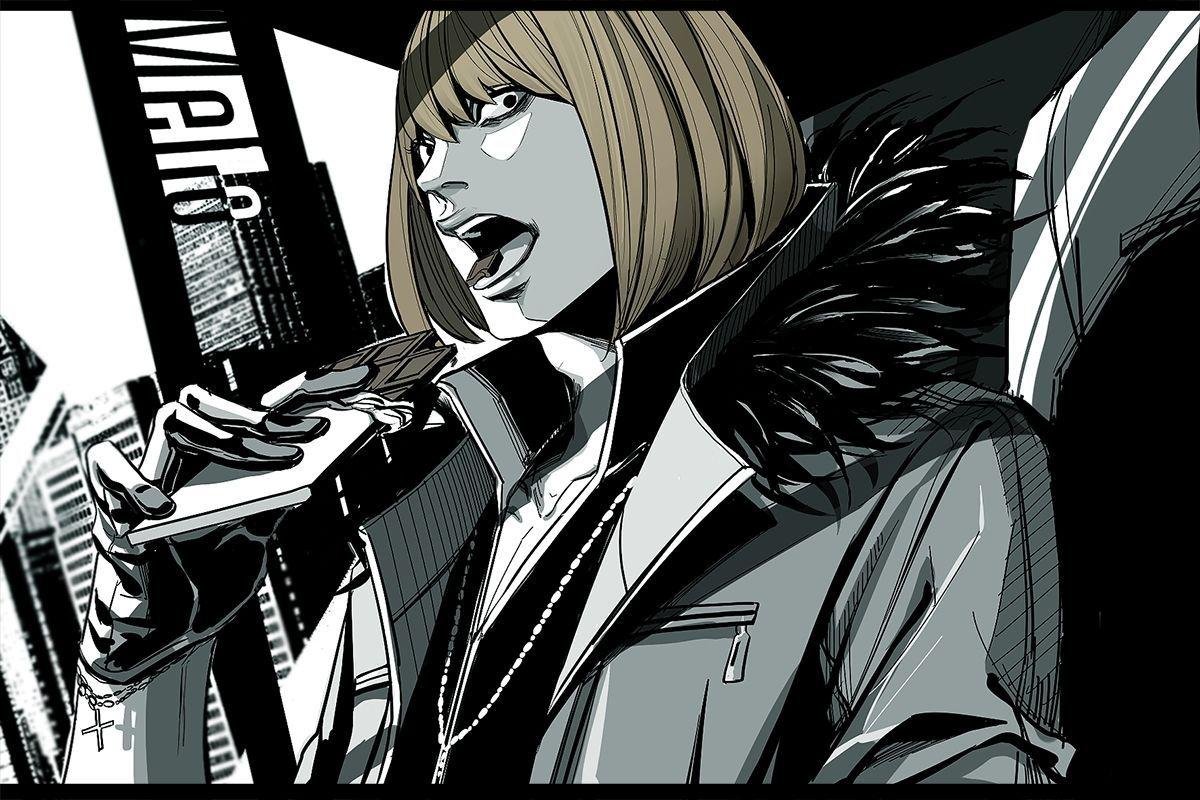
Imagine a battlefield where intellect is the sharpest weapon, and strategic brilliance dictates life or death. We’re not talking about brute strength or magic powers, but the sheer force of will, foresight, and the ability to manipulate circumstances and people. In this arena, two iconic figures emerge from vastly different worlds to face off in a hypothetical, yet utterly compelling, tactical confrontation: Mello from Death Note and Erwin Smith from Attack on Titan.
This isn't just a fantasy matchup; it's a deep dive into the essence of leadership, strategy, and what it truly takes to win when the stakes are everything. Who would devise the more cunning plan? Who would lead their forces to victory, or sacrifice them for a greater cause? Let's unravel the complex layers of their genius and their flaws to determine who holds the decisive edge in a tactical war.
The Contenders: A Glimpse into Their Worlds
On one side, we have Mihael Keehl, better known as Mello. A prodigious genius and one of L's successors, Mello operates in the shadows of a modern world, driven by a fierce desire to surpass his rivals, Near and L. His methods are often unconventional, bordering on criminal, relying on information control, coercion, and bold, high-stakes gambits. He's a master of the underworld, unafraid to get his hands dirty to achieve his objectives.
Pitted against him is Commander Erwin Smith, the 13th Commander of the Survey Corps. Erwin operates in a brutal, fantastical world where humanity is constantly on the brink of extinction, battling monstrous Titans. He is a visionary leader, a master strategist, and a man capable of inspiring unwavering loyalty while also demanding unimaginable sacrifices from his soldiers. His tactical prowess is legendary, marked by meticulous planning and a chilling willingness to commit to his grand vision, no matter the personal cost.
Understanding Their Strategic Foundations
To truly assess a clash between these two, we must first dissect the core tenets of their strategic thinking. They both operate with high intelligence, but their fundamental approaches couldn't be more different.
Mello's Methodology: Calculated Chaos
Mello's strategy is often characterized by a thrilling blend of brilliant deductions and impulsive actions. He thrives in unpredictable environments, leveraging his resourcefulness and ruthlessness to turn situations to his advantage. He's not afraid to disrupt the status quo, employing criminal networks, hostage situations, and direct confrontations to force his opponents' hands. His moves are often less about grand military strategy and more about psychological warfare and exploiting immediate weaknesses. His unique style and how it could be assessed is meticulously detailed in .
Erwin's Philosophy: Calculated Sacrifice and Unwavering Vision
Erwin Smith's strategic philosophy is built on an unwavering vision for humanity's future, coupled with a cold, rational understanding of the sacrifices required to achieve it. He excels at long-term planning, anticipating enemy movements, and utilizing his forces with surgical precision. Erwin is a master manipulator, not just of events, but of the very morale and will of his soldiers. He can convince men to ride to their certain deaths with a speech alone. Exploring the nuances of reveals much about his strategic core, highlighting his ability to blend inspiring rhetoric with brutal practicality.
Analyzing Their Key Strengths and Weaknesses in Combat
Every great leader has their arsenal of strengths and their Achilles' heel. Understanding these is vital for predicting the outcome of any conflict.
Mello's Strengths & Vulnerabilities
Mello's strengths lie in his exceptional intelligence, his ruthlessness, and his adaptability. He can think several steps ahead, often employing unconventional and illegal methods to gather information or execute plans. His unpredictability makes him a dangerous opponent. However, his significant weaknesses include his impulsivity and emotional drive, particularly his intense rivalry with Near. He can be provoked and his plans, while daring, sometimes lack the intricate long-term foresight of a seasoned military commander. Furthermore, his conventional combat experience is limited, and he relies heavily on external resources and loyal subordinates. A detailed breakdown of would illuminate his vulnerabilities under pressure.
Erwin's Strengths & Vulnerabilities
Erwin's strengths are monumental: his strategic foresight is unparalleled, his leadership inspires absolute devotion, and his ability to psychologically manipulate both allies and enemies is chillingly effective. He has vast experience in large-scale, high-stakes combat scenarios and an iron will that allows him to make the most horrifying decisions for the greater good. His weaknesses, however, are also profound. Physically, he becomes limited after losing an arm. More importantly, his reliance on human resources and his willingness to sacrifice them takes an immense emotional toll, a burden he carries silently. He can also be outmaneuvered by truly unpredictable opponents who don't play by conventional rules. To truly grasp his capabilities, it's essential to examine .
Imagining the Battlefield: Scenarios and Stakes
The outcome of a Mello vs. Erwin confrontation would largely depend on the specific conditions of their "war." Would it be an urban espionage thriller, a large-scale military engagement, or a race for crucial information?
Scenario Design: Where and How Would They Fight?
If the conflict unfolded in a modern, information-rich environment, Mello might initially hold the advantage, leveraging technology and criminal networks. However, in a more traditional military setting, especially one involving direct combat, Erwin’s experience and strategic command would be overwhelming. Considering is crucial for a fair assessment, as each environment plays to different strengths.
The Element of Surprise and Information Warfare
Both Mello and Erwin excel at gathering and utilizing information, but their methods are polar opposites. Mello relies on coercion, hacking, and a network of criminals, often acting with brazen aggression to obtain data. Erwin uses a highly disciplined intelligence corps, scouts, and meticulous observation, building his strategic picture with precise, verified intel. In a war defined by the fog of conflict and the race for critical knowledge, who would gain the upper hand in discerning the other's moves? The role of covert operations and how they might unfold is explored in , revealing how each leader would leverage clandestine tactics.
The Decisive Factors: Leadership, Morale, and Sacrifice
Beyond pure intelligence, the ability to lead, inspire, and make impossible choices often determines victory.
Inspiring the Ranks: Morale and Command
Erwin's leadership is charismatic, built on a shared vision and a deep understanding of human courage and fear. He leads from the front, willing to die alongside his men. Mello, conversely, inspires loyalty through a combination of fear, shared goals, and the allure of power or wealth. His control is more manipulative, less about selfless devotion. Who would build a more resilient and effective force when faced with devastating losses? Understanding the contrasting methods in is key to understanding their staying power.
The Weight of Sacrifice: Personal vs. Collective
Erwin is infamous for his willingness to sacrifice hundreds, even thousands, of lives—including his own—for the ultimate goal of humanity's freedom. His decisions are brutal but always serve a grander, collective purpose. Mello, while capable of self-sacrifice for his objectives, is often driven by more personal motivations: pride, rivalry, and a desire for recognition. When faced with the ultimate choice, who would make the harder, more impactful sacrifice? This ethical dimension is further explored when weighing .
Who Holds the Edge? A Final Tactical Assessment
Drawing a definitive conclusion isn't straightforward because their strengths and weaknesses are so situationally dependent. In a conventional military campaign, Erwin's strategic depth, experience with large-scale operations, and ability to rally forces would likely overwhelm Mello. However, in an asymmetric conflict focused on intelligence gathering, psychological warfare, and exploiting individual weaknesses in a modern setting, Mello's unpredictable ruthlessness could catch Erwin off guard.
Perhaps the true winner isn't about raw power, but about the context of the conflict and the opponent's ability to adapt. Erwin operates within a structured, albeit brutal, military framework, while Mello excels at tearing down existing structures. Our comprehensive breakdown offers , but even then, the nuances are fascinating.
Ultimately, this theoretical clash is a testament to the diverse forms of genius that exist across different narratives. It's a reminder that victory is rarely about a single factor, but rather a complex interplay of intellect, will, and the willingness to make unimaginable choices. As you delve deeper into each of these leaders, consider what kind of "war" you envision and who, in that particular scenario, would truly emerge triumphant.